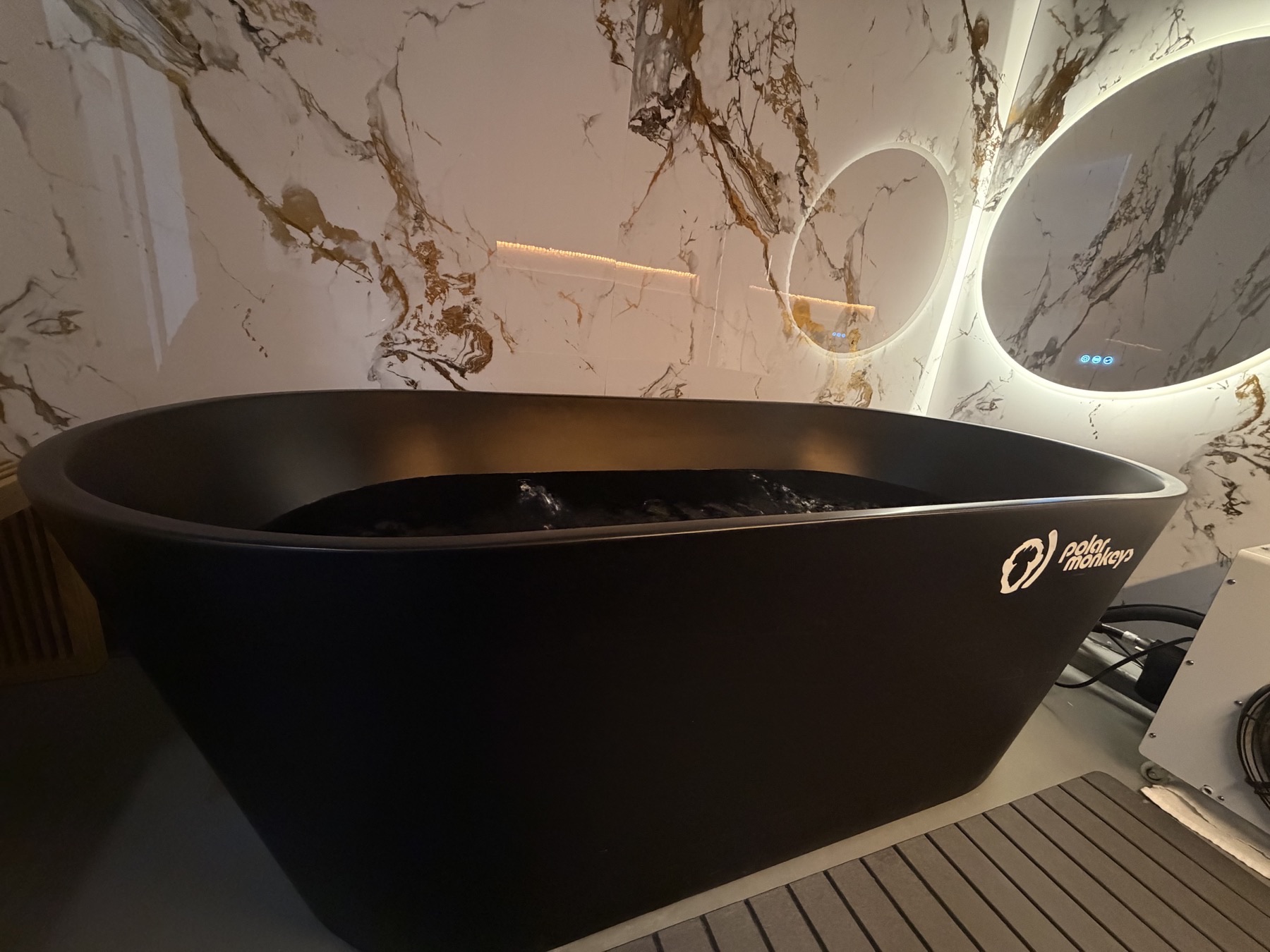
Athletes have been jumping into cold water after training for decades, long before it had a name like "cold plunge." The reason it stuck around isn't hype — it's that deliberate cold exposure does measurable things to your body that make the next day's soreness a lot more manageable.
What cold exposure actually does
When you plunge into 32–55°F water, your blood vessels constrict near the surface of your skin and push blood toward your core. When you get out and warm back up, blood rushes back to your extremities — a natural pumping action that helps flush out metabolic waste built up during exercise and reduces the inflammation that causes next-day soreness.
- +Reduce Inflammation
- +Muscle Recovery
- +Improve Circulation
- +Sharpen Focus
- +Strengthen Immune Response
- +Boost Sleep Quality
- +Manage Pain
- +Releases Endorphins
Why we pair it with the sauna
Cold plunge on its own is effective, but contrast therapy — alternating heat and cold — tends to get talked about more because the vasodilation from the sauna and the vasoconstriction from the plunge create a stronger circulatory effect together than either does alone. That's the whole idea behind Sauna House's private suites: infrared sauna and cold plunge, side by side, so you're not driving across town between the two.
You don't need to be an athlete to feel the difference. Most first-timers start with 2–3 minutes in the plunge and work up from there — our staff can walk you through it on your first visit.